Recap
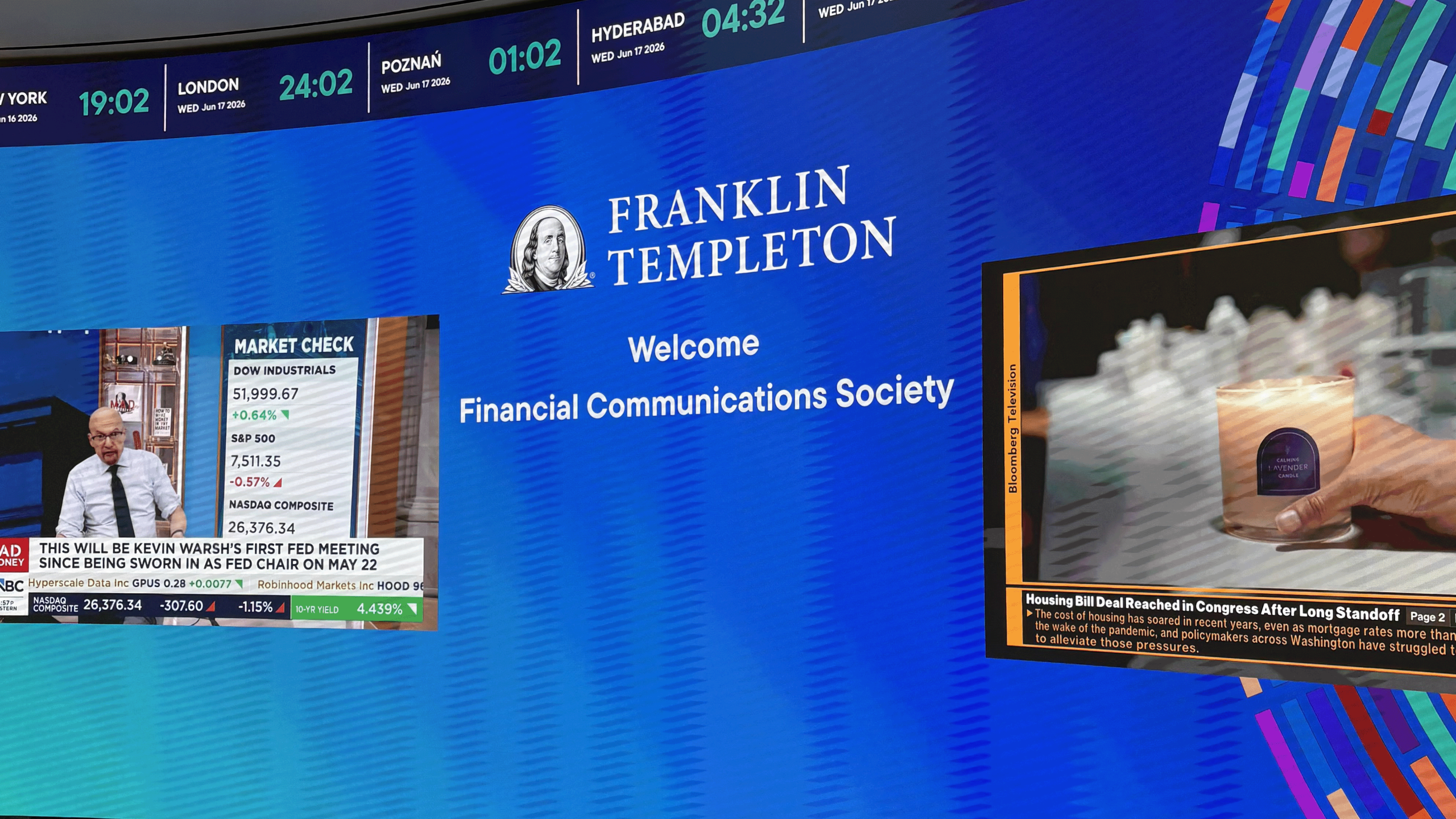
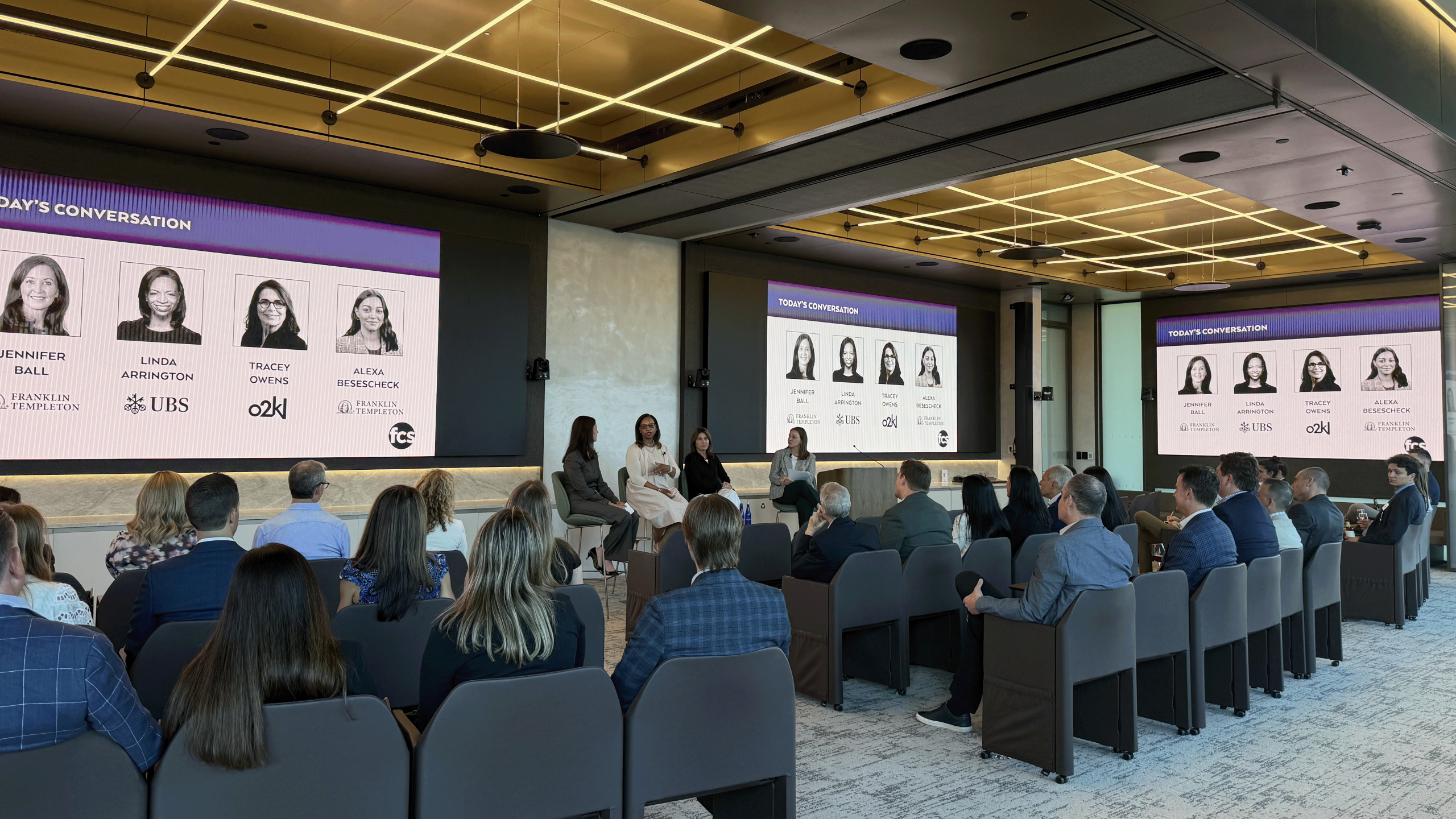
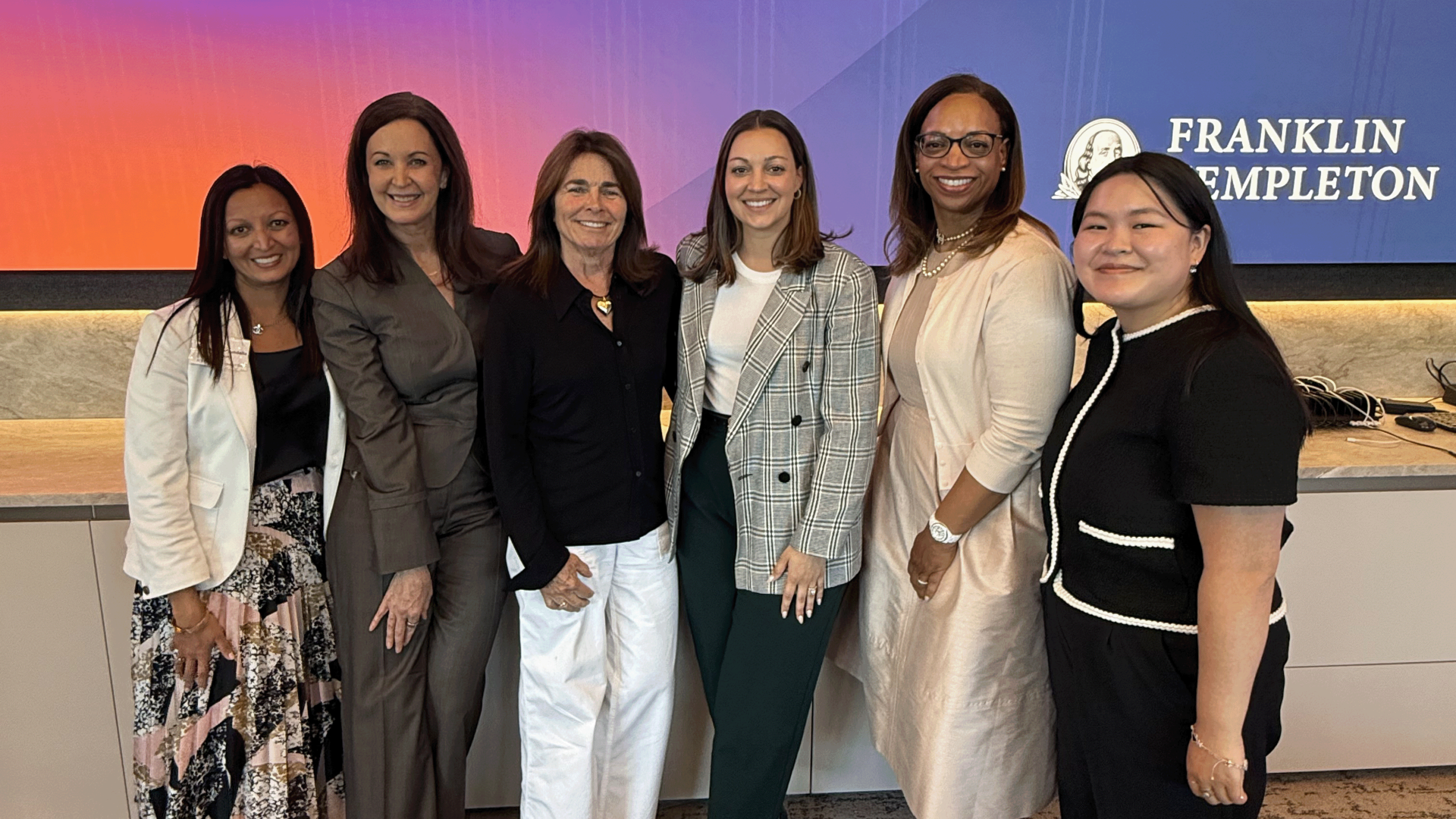
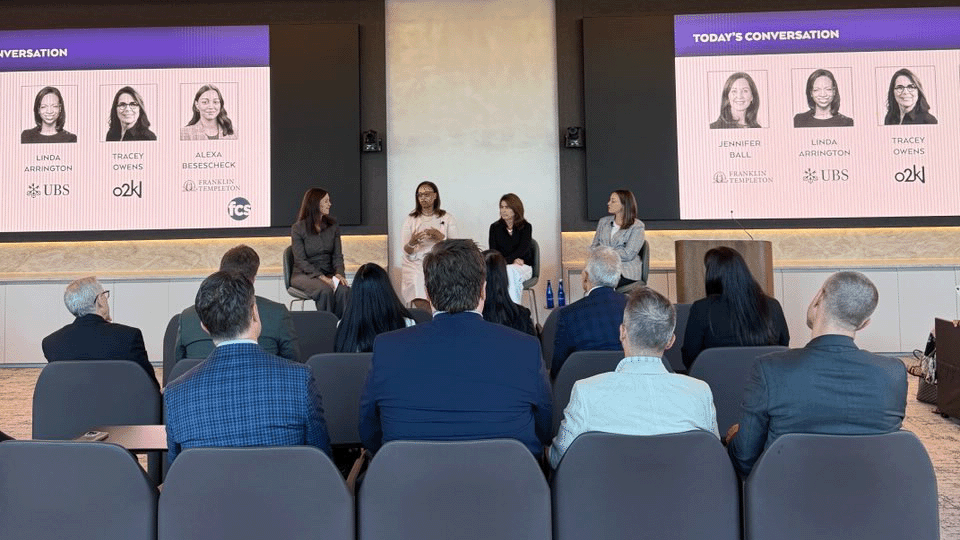
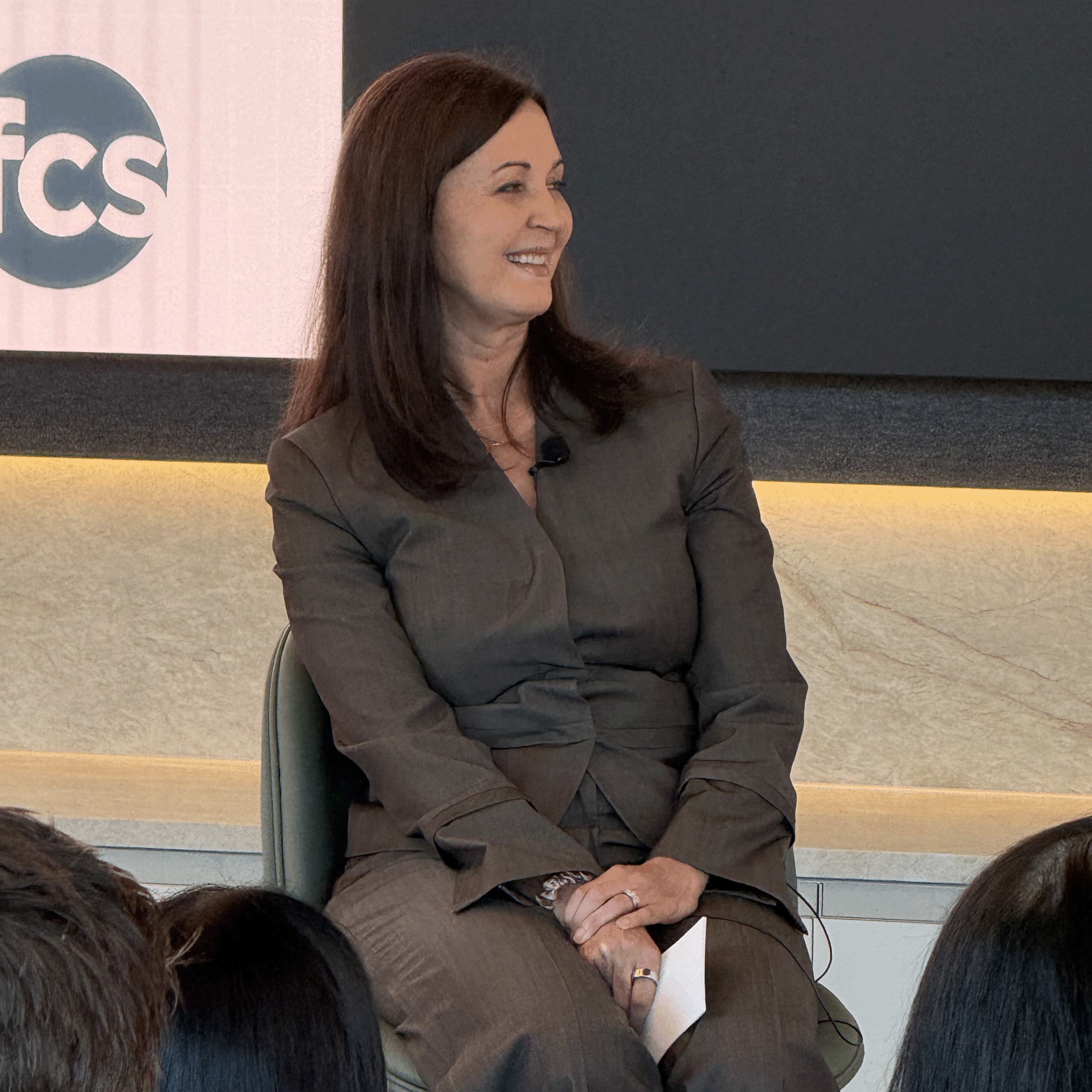
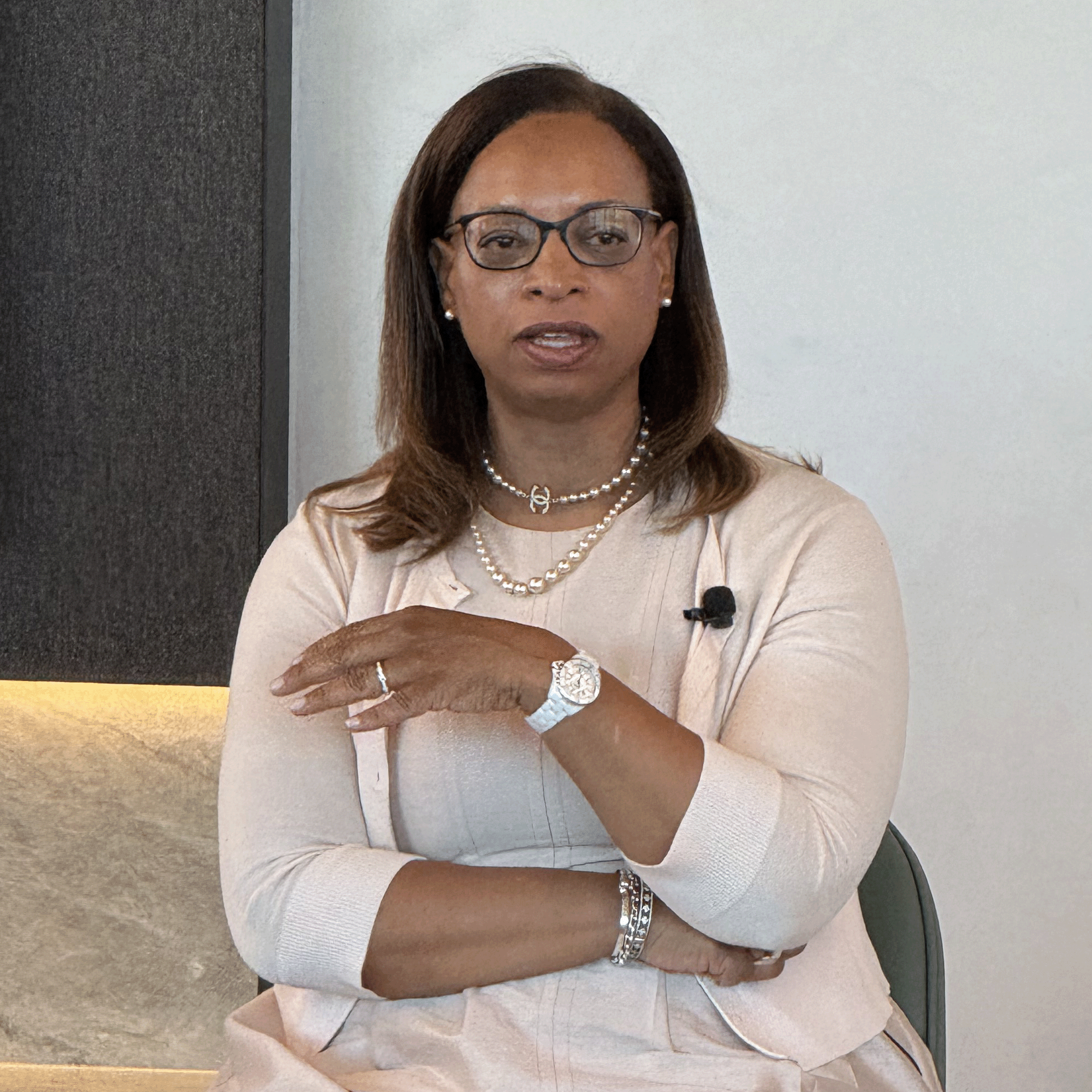
On Tuesday, June 16, FCS New York held the Cocktails with Content event, “Beyond IQ: Why EQ Should Be Your New KPI,” at Franklin Templeton. Taking to the stage at the asset manager’s beautiful event space at One Madison were Jennifer Ball, Global Chief Marketing Officer, Franklin Templeton; Linda Arrington, Co-Head of Global Wealth Management US Marketing, UBS; and Tracey Owens, Co-Founder and President, o2kl.
The panel, moderated by Alexa Besescheck, Social Content & Editorial Lead at Franklin Templeton, discussed the increasing relevance of emotional intelligence (EQ) in marketing. While IQ has been the go-to method for teams to solve problems and track success, EQ has gained a foothold in leading teams through problems to achieve success. By emphasizing human relationships and empathy in a landscape where automation is becoming the norm, EQ has proven itself to be a competitive advantage for teams that employ it.
Touching Hearts and Minds
Unlike IQ, which relies on data and fixed variables, EQ in marketing is highly dependent on the organization and team. Jennifer explained that, by the nature of the industry, marketers often focus on understanding motivations from an external perspective. Where EQ leaders stand out is in searching for those motivations internally. Leaders make better decisions for their teams when they observe the people around them, reflect honestly on their own behavior, and consider perspectives different from their own.
Seconding Jennifer’s reasoning, Linda added that EQ bolsters data-driven decision-making. As a professed left- and right-brained marketer, Linda knows that successful marketing teams connect with hearts as well as minds to deliver business and drive growth. To achieve this, leaders have to be influential and advocate for their teams, rather than just rely on subject matter expertise.
The Return of EQ in the Workplace
Jennifer suggested that the information boom has helped push EQ to the side. From the rise of the internet to the current adoption of AI, business culture has often favored data-driven, intelligence-based thinking over the human dimensions of leadership.
Another reason why EQ became less emphasized was due to the COVID-19 pandemic, when remote working deprived people of in-person interaction essential to ‘reading the room’ and learning how to function in the workplace. These events show that EQ has become increasingly important, especially as students whose college experience was structured as remote learning enter the workforce. Jennifer and Tracey emphasized that leaders should prioritize creating a work environment that encourages employees to develop their EQ.
Empathy and Accountability Can Coexist
Some may argue that, while EQ is important, it can often excuse accountability. The three panelists disagree with this notion, arguing that EQ at its best holds space for both. Linda shared that EQ leaders should create safe spaces with expectations for accountability of team members and the leaders themselves. Clear goals and objectives set boundaries for leaders and team members, allowing them to fulfill a purpose from a macro perspective, like an organization, to a micro one, like a campaign.
EQ and AI
AI has become a commonplace tool in most workplaces, and the panelists agreed that its rise makes EQ more important than ever. Human judgment remains invaluable because AI cannot replicate discernment, context, or empathy, and still requires human direction to function effectively. Linda described AI as a double-edged sword: it can make workers more efficient and better informed, but it can also weaken the everyday practice of building human relationships. For younger professionals whose interpersonal skills have been shaped (and limited) by technology, developing EQ will be essential to their success — and to the strength of the workforce as a whole.
Our thanks to Sheevani Raikundalia of Bloomberg, our presenting sponsor, who opened the event with insightful thoughts on the impact of EQ on financial marketing.
–Reported by Juliet McAlee, FCS Admin/Comms Coordinator
Ticket sales have closed. For inquiries, please contact the FCS Administrative & Communications Coordinator, Juliet McAlee ([email protected]).
Our June 16th Cocktails with Content event will be hosted by Franklin Templeton and feature a panel discussion “Beyond IQ: Why EQ Should Be Your New KPI.”
In today’s rapidly evolving marketing landscape, technical expertise and raw intelligence are no longer enough to stand out. Emotional intelligence (EQ)—the ability to navigate relationships, lead with empathy, and make thoughtful, human-centered decisions—is quickly becoming a true competitive advantage.
Join us for a timely conversation exploring the growing importance of EQ in business, leadership, and culture. Our panelists include:
- Jennifer Ball, Global Chief Marketing Officer, Franklin Templeton
- Linda Arrington, Co-Head of Global Wealth Management US Marketing, UBS
- Tracey Owens, Co-Founder and President, o2kl
The discussion will be moderated by Alexa Besescheck, Social Content & Editorial Lead at Franklin Templeton. The panel will unpack how EQ is reshaping what success looks like in an environment where workplace dynamics, leadership styles, and human connection are taking center stage across industries.
In gratitude to Franklin Templeton, the FCS will donate $1,000 to the children’s charity of their choice: STOMP Out Bullying, the leading national anti-bullying and cyberbullying organization for kids and teens in the U.S.
Our thanks to presenting sponsor Bloomberg and Sheevani Raikundalia for supporting this special event.
Seating is strictly limited for this event. Please sign up today.